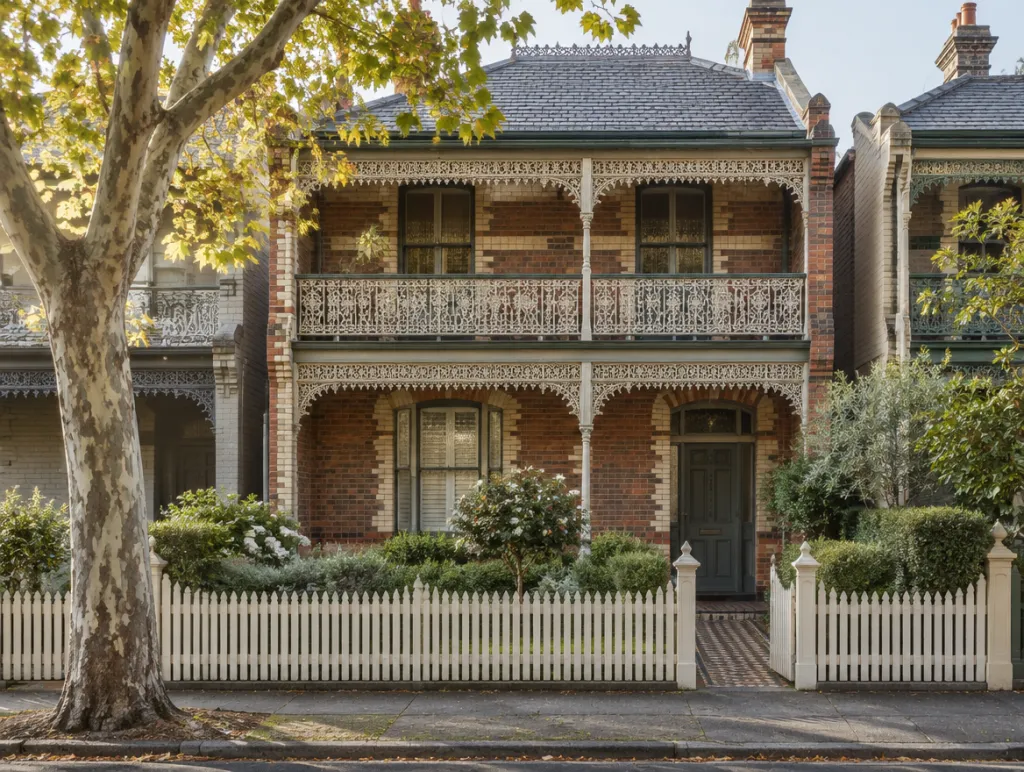
Insurable, at a higher rebuild figure.
A heritage home is insured on an ordinary home policy. What changes is the number: rebuilding to the standard a heritage authority expects, with matching materials and specialist trades, generally costs more than a modern build of the same size. The building sum insured needs to carry that.
The other thing that changes is who’ll take it. On our panel, one insurer doesn’t write heritage-listed homes. Homes in a heritage overlay have quoted with every home insurer on our panel.
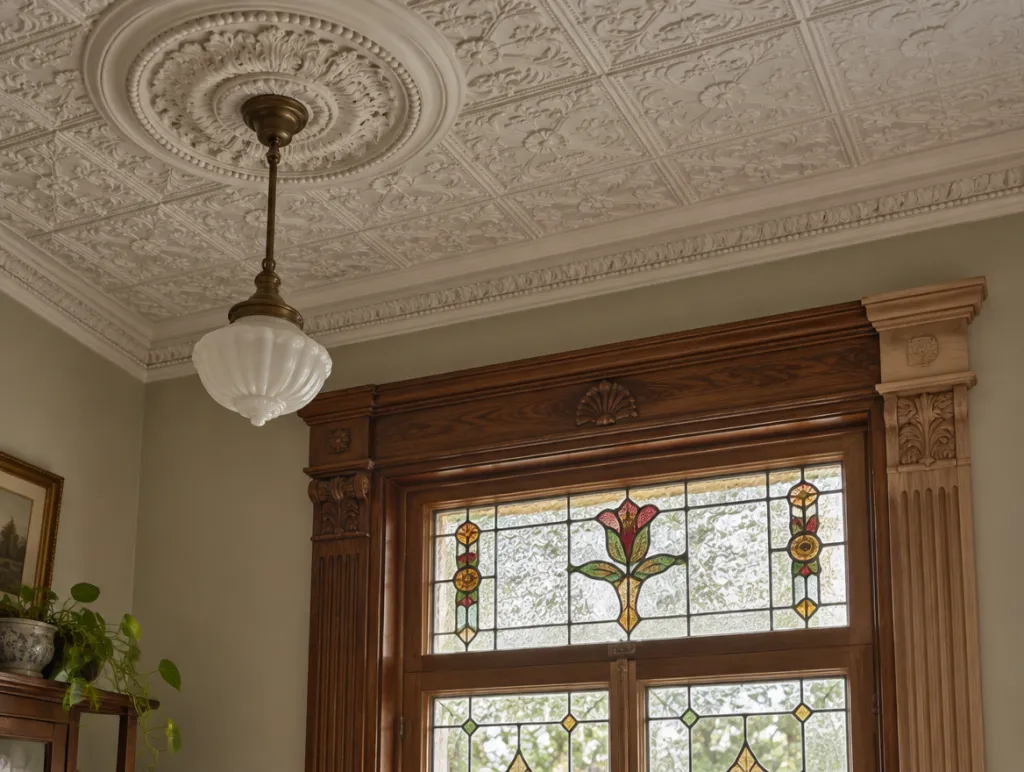
Two different things, and the quote asks which.
Heritage listed means the property itself is on a heritage register: local, state or national. Changes to it, including a rebuild, generally need heritage approval.
A heritage overlay is a planning control over an area or streetscape. It covers every house in the precinct, listed or not, and usually governs what the street sees.
Your council’s planning map or planning certificate shows both, and your rates notice sometimes does. Our quote form asks: “Is the property heritage listed or in a heritage overlay?” One insurer on our panel asks finer still, separating local, state and national listings.
None of them says “heritage”.
We read three home wordings on our panel for this page. Not one mentions heritage, a heritage overlay or a conservation order, as cover, a limit or an exclusion. What responds to a heritage rebuild is three general clauses, and they differ:
| Policy A | Policy B | Policy C | |
|---|---|---|---|
| Meeting building rules | Extra costs a statutory authority requires, inside the sum insured | Current building rules, on top, up to $50,000 a year | Current building rules, on top, up to 20% of the sum insured |
| Matching materials | Matched if commercially available in Australia; if not, the nearest local equivalent plus up to $1,000 to match the rest of a room | Up to $10,000 to match undamaged material, where more than 40% can’t be matched | Up to 5% of the sum insured, or a fixed limit if lower |
| Not covered | Notices served before the damage | Rules already in force when the house was built or altered; upgrading undamaged parts | The same as B, plus notices served before the damage |
Two consequences for an old house. Original materials such as slate, pressed metal or leadlight may not be “commercially available”, so a wording may pay for the nearest equivalent rather than a match. And all three let the insurer pay cash instead of rebuilding when materials aren’t readily available. Whether a heritage authority’s requirement counts as a building rule under these benefits isn’t stated, so it’s a question to ask before a claim, not after.
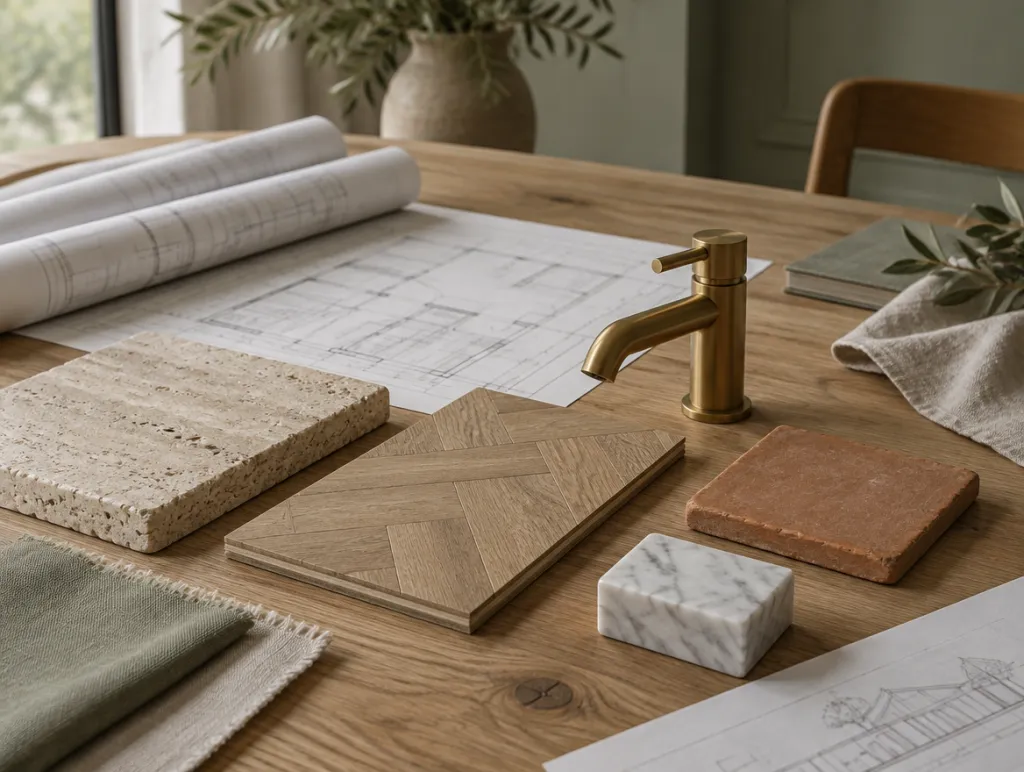
Build the heritage work into the figure.
Because the building-rules benefits are capped, or come out of the sum insured, the safer place for heritage costs is the sum insured itself. That means pricing the rebuild with:
- original-pattern materials and the trades who work with them
- a heritage architect and the approvals process
- a longer build, which also stretches how long you live elsewhere
A public-record estimate works from floor area and a standard rate, so it won’t include any of that. For a listed home, a quantity surveyor’s report is the figure commonly relied on. How rebuild cost works.

Tell the insurer before the scaffolding goes up.
Restoration is where heritage homes most often step outside their cover. The wordings we read exclude or limit work above $75,000 or $150,000 unless the insurer agrees in writing, and one excludes any work that removes part of the roof or an external wall, or touches the structure.
A house standing empty during the works has its own limits too: 60, 90 or 100 days unoccupied, depending on the wording, before cover narrows or stops.

One form, to every insurer that takes it.
Tell the form whether the home is listed or in an overlay, and it goes to every insurer on our panel that writes it. You’ll see each price with its PDS. See also luxury home insurance and mansion insurance.
Heritage home insurance FAQs
Can I insure a heritage-listed home?
Yes. One insurer on our panel doesn’t write heritage-listed homes, and the others take them, asking about the listing as part of the quote. Homes in a heritage overlay have quoted with every home insurer on our panel.
What’s the difference between a heritage overlay and a heritage listing?
A listing names the individual property on a local, state or national heritage register. An overlay is a planning control over an area or streetscape, so it covers every house in it, listed or not. Insurers can treat the two differently, which is why the quote asks which applies.
How do I find out whether my home is listed or in an overlay?
Your council’s planning map or planning certificate shows overlays and local listings, and your rates notice sometimes does. State-listed places are on the state heritage register, which you can search online.
Will the policy pay to rebuild to heritage requirements?
None of the three home wordings we read mentions heritage. They pay for current building rules through a building regulations benefit, each with its own limit and exclusions. Whether a heritage requirement counts is the insurer’s call on the wording, so ask before you rely on it, and set the sum insured to cover heritage-standard work.
Does a heritage home cost more to insure?
Commonly, because the rebuild figure is higher and the premium follows the sum insured. Original materials, specialist trades and the approvals process all add to what a rebuild costs.
Do I have to tell the insurer the home is heritage listed?
Answer the questions the insurer asks honestly and with reasonable care. Our quote form asks about heritage for every home, because insurers on our panel ask about it.
Is this personal advice?
No. It’s general information about insuring heritage homes, and it doesn’t consider your objectives, financial situation or needs. Read the PDS before you decide.
Reviewed by Andre Lang on 20 October 2026.
Andre Lang is an Authorised Representative (AR No. 1323803) of Australian Broker Network Pty Ltd (AFSL 253131), and a director of Lang Broking Co Pty Ltd (Corporate Authorised Representative No. 1323797), which trades as Luxury Cover.
Luxury Cover arranges insurance as a broker. The policies are issued by the insurers, and what they cover depends on the policy you choose. Each quote links to its product disclosure statement. General information only.