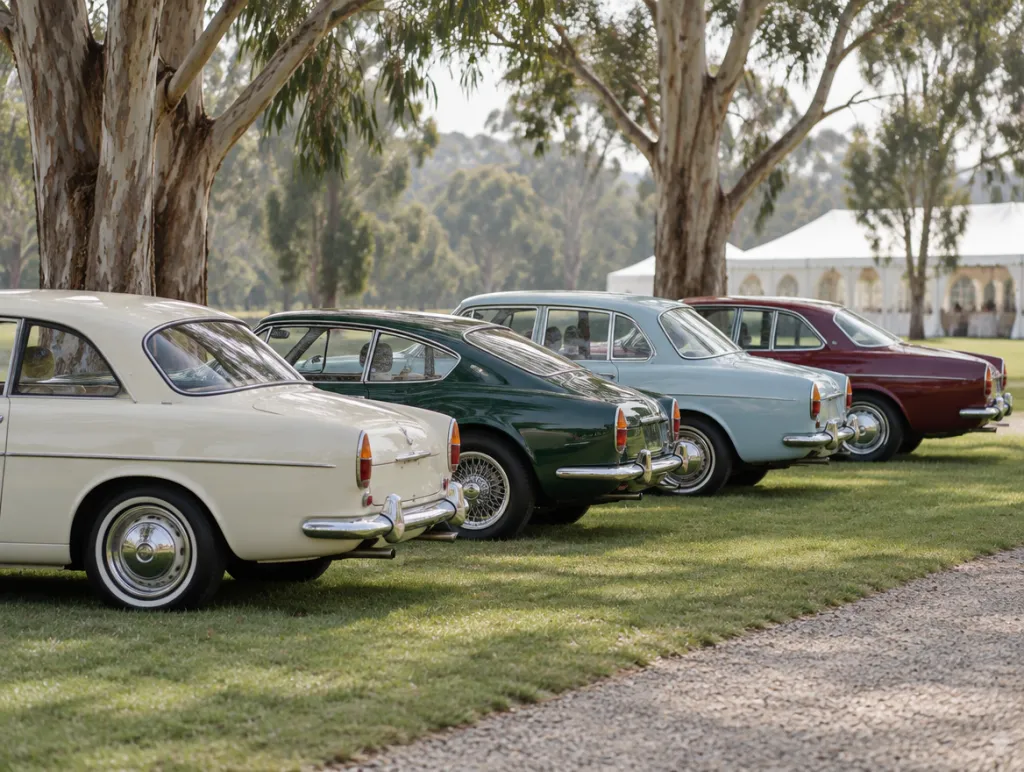
Agreed value, priced on use.
A classic is insured for a figure you agree with the insurer up front, because a valuation guide can’t see condition, history or a restoration. How agreed value works.
The premium then follows how the car is used. The specialist wording on our panel prices by how often it’s driven, and its two lower bands name classics directly:
- Twice weekly: “classic, collectable, high performance or exotic Vehicles that are not the Insured’s daily drive.”
- Twice monthly: “used only very occasionally, e.g., for a sunny day drive or attending car clubs/shows.”
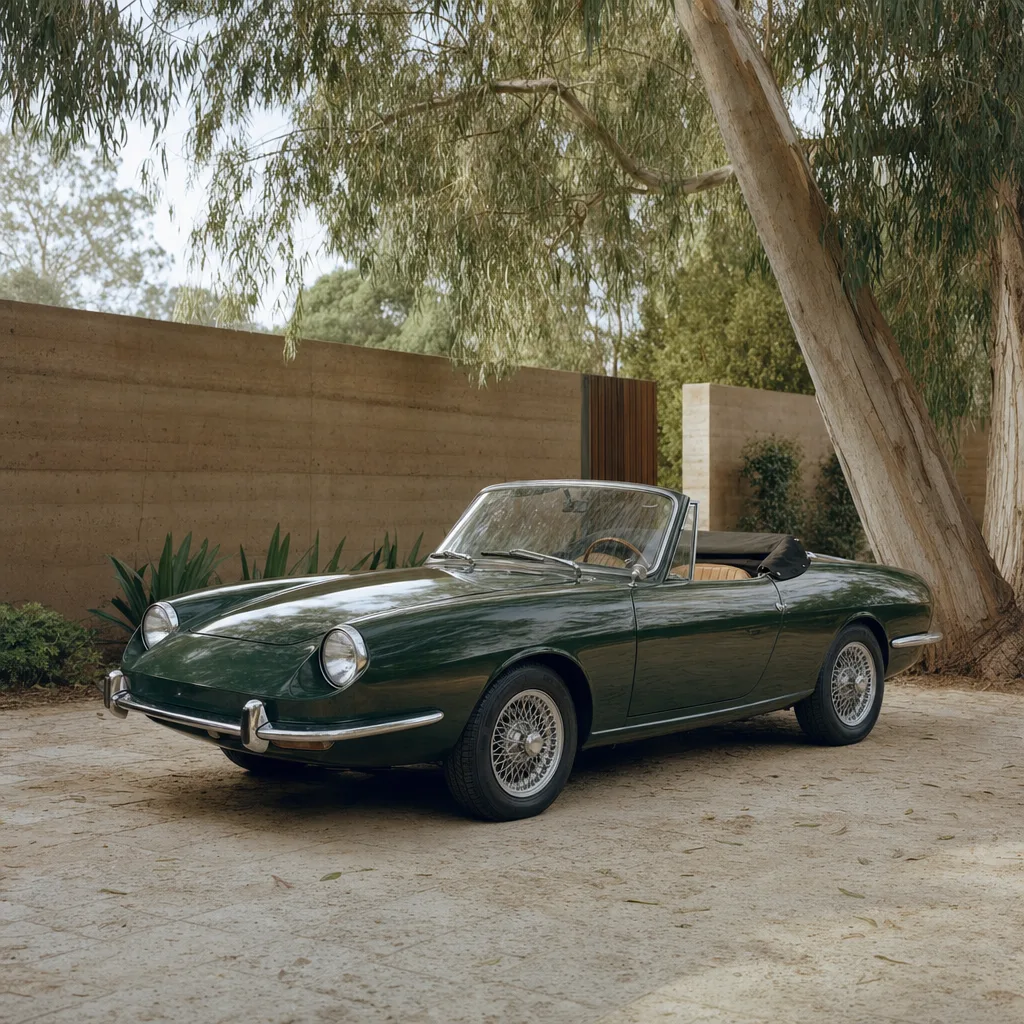
25 years old is the line in our form.
None of the three car wordings we read defines “classic”. Our quote form draws the line at 25 years: any car that age or older goes to the prestige specialist on our panel, whatever it’s worth. The same 25 years is where the specialist’s salvage rule changes, below.
The mainstream insurers on our panel are asked too, up to $150,000. Their wordings don’t mention classics at all, so it’s the ordinary policy on an older car: market or agreed value, but no use bands and no restoration cover.
What a classic owner would look for.
| Specialist | Mainstream B | Mainstream C | |
|---|---|---|---|
| Priced on use | Daily, twice weekly or twice monthly bands | Not stated | Nominated annual kilometres |
| Under restoration | Storage and restoration cover; removed parts covered | Not stated | Damage caused while restoring excluded |
| Spare parts at home | Up to $25,000, $1,000 excess | $250 for tools and spares in the car | Not stated |
| The wreck | Yours free if 25 years or older | The insurer’s | The insurer’s |
| On a transporter | Covered by road, rail, sea and air in Australia | Ship costs only | Ship costs only |
| Choice of repairer | Included | Optional extra | Optional extra |
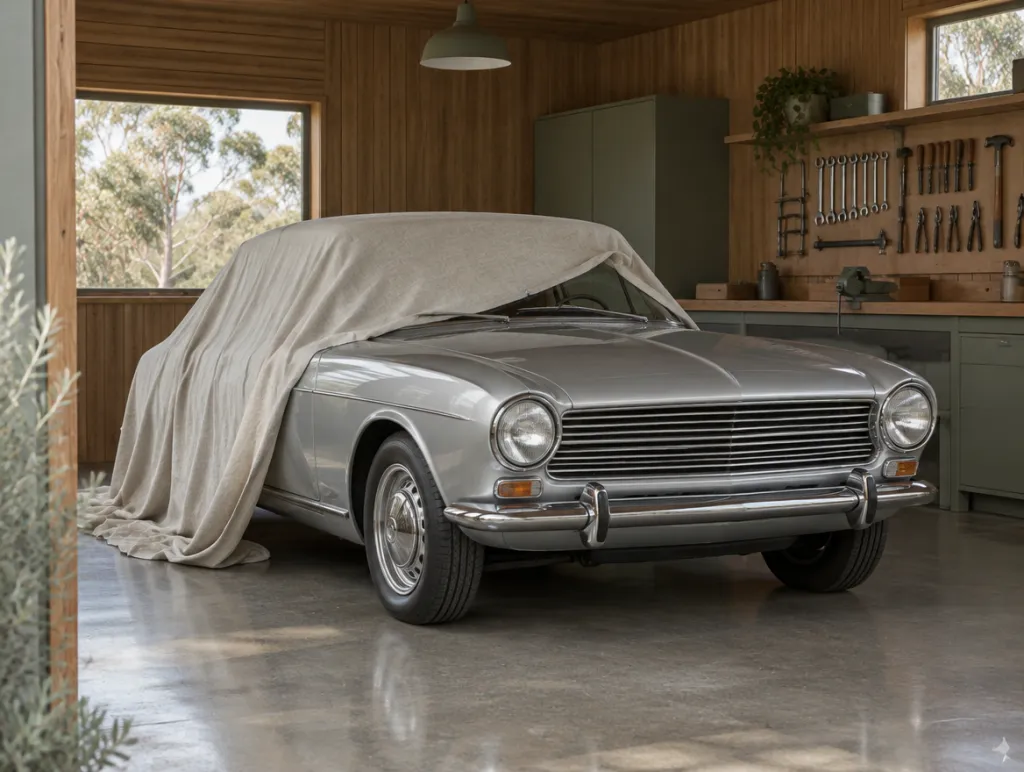
A car you’re restoring can be insured too.
The specialist wording has a storage and restoration option for a car that isn’t on the road, including one “currently undergoing significant restoration”. It gives the same damage cover as comprehensive, except while the car is driven under its own power, and parts taken off for the work are “covered at all times”.
The condition is the shed: the car must be kept in “fully enclosed secure premises”, locked except while work is being done. Spare parts kept at home are covered separately, up to $25,000.
Four things the wordings leave out.
- Track and club days: all three exclude racing, time trials, speed tests and hill climbs; one names “track or club days”.
- Private land: the specialist excludes driving on a road that isn’t government-gazetted, which can catch a rally or display on private property.
- A hire car: the specialist pays for one only on the daily-use bands, so a twice-monthly classic has none.
- Club plates: no wording we read mentions club registration or permits. Two need a registered car; the specialist’s covers one registered, or capable of registration, for public roads.
Garaging matters more with the specialist too. Cover can be refused for an overnight loss if the car wasn’t parked where you declared, between 10pm and 5am near home.
Year, make and model, then your figure.
Older cars may not come up from the rego, so pick the year, make and model, choose agreed value, and tell us how often it’s driven and where it lives. Your everyday car and the house can go on the same application. See also luxury car insurance, Porsche insurance and supercar insurance.
Classic car insurance FAQs
What counts as a classic car for insurance?
None of the three car wordings we read defines one. Our quote form treats any car 25 years or older as classic business and sends it to the prestige specialist on our panel, whatever its value. A younger car can still go there if it’s worth $100,000 or more, or modified.
Is classic car insurance cheaper?
Often, for a car that’s rarely driven. The specialist wording prices by how often the car is used, with bands for twice a week and twice a month, and it names classic and collectable cars in both. Less use generally means a lower premium.
Can I insure a car on club registration or a club permit?
None of the wordings we read mentions club registration, club permits or conditional registration. Two require a registered car; the specialist’s covers a car registered, or capable of registration, for public roads. Ask a broker before you rely on it for a club-plated car.
Is my classic covered at a track day or rally?
Not under the wordings we read. All three exclude racing, time trials, speed testing and hill climbs, and one names track and club days. The specialist’s also excludes driving on roads that aren’t government-gazetted, which can catch an event on private land.
Can I insure a car I’m restoring?
Yes, with the specialist’s storage and restoration cover: the same damage cover as comprehensive while the car isn’t being driven, with parts removed for the work covered at all times. The car has to be kept in fully enclosed, locked premises. One mainstream wording excludes damage caused while restoring the car.
Do I get my classic back if it’s written off?
Under the specialist’s wording, if the car is 25 years or older you can keep the wreck free of charge, on top of the payout. Under the two mainstream wordings, the wreck belongs to the insurer, and keeping it costs its value.
Is this personal advice?
No. It’s general information about insuring classic cars, and it doesn’t consider your objectives, financial situation or needs. Read the PDS before you decide.
Reviewed by Andre Lang on 20 October 2026.
Andre Lang is an Authorised Representative (AR No. 1323803) of Australian Broker Network Pty Ltd (AFSL 253131), and a director of Lang Broking Co Pty Ltd (Corporate Authorised Representative No. 1323797), which trades as Luxury Cover.
Luxury Cover arranges insurance as a broker. The policies are issued by the insurers, and what they cover depends on the policy you choose. Each quote links to its product disclosure statement. General information only.